|
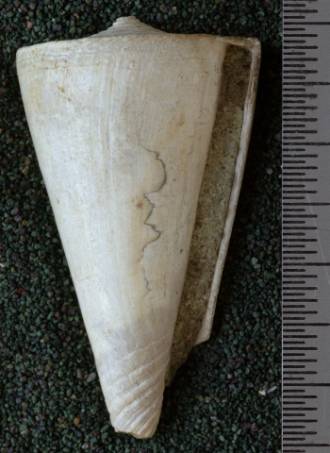
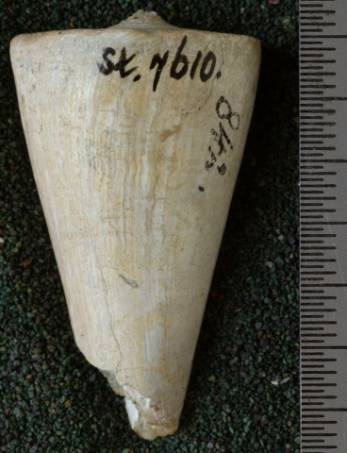
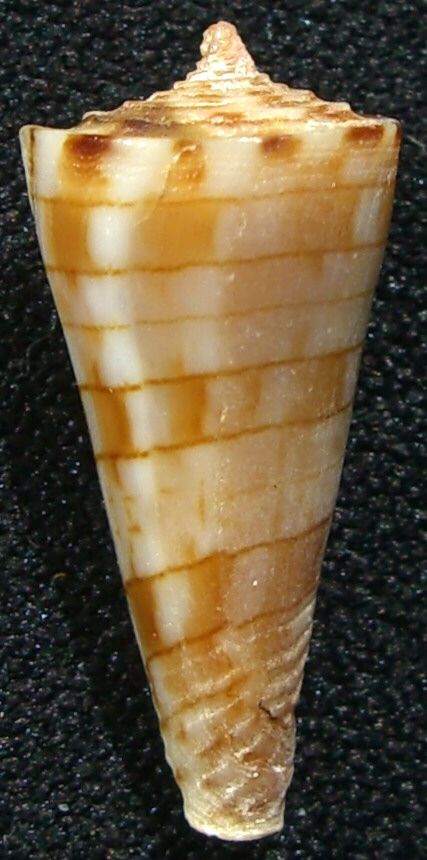
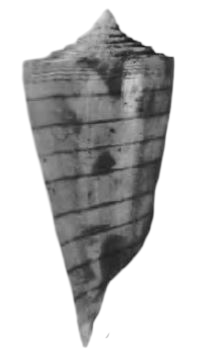
Conus cheribonensis (Martin, 1895)
Descrizione.
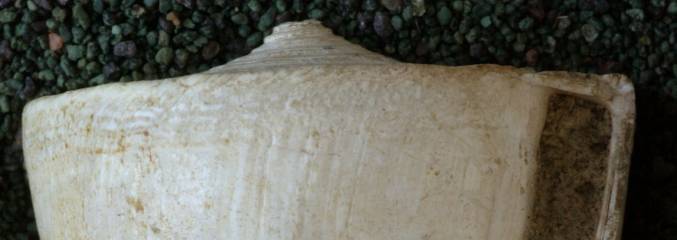
Questa specie è così vicina al Conus ngavianus, che può essere meglio caratterizzata dal confronto con questa. La forma della conchiglia è esattamente la stessa di quella del Conus ngavianus e corrisponde agli individui in cui la spira è più appiattita e solo l’apice si alza leggermente. La scultura della spira è, per quanto si evince dalla mancanza della sua parte più antica, anch'essa essenzialmente la stessa; solo le strisce a spirale sono meno dense. A differenza dal Conus ngavianus, si ha anche la comparsa di alcuni solchi a spirale nell'ultimo giro, immediatamente prima dell'angolo della spirale (spalla) e della linea di cucitura; anche la forma delle linee di crescita sulla spira è differente, poiché queste ultime corrono quasi in direzione del raggio e sono appena incurvate, sicché la sezione posteriore dell'apertura della bocca doveva essere molto bassa, in completo contrasto con il comportamento nel Conus ngavianus. È soprattutto questa differenza menzionata per ultima che mi induce a considerare entrambe le forme come tipi diversi (1).
Epoca: Pliocene
Località: Java
|
Conus kimioi (Habe, 1965)
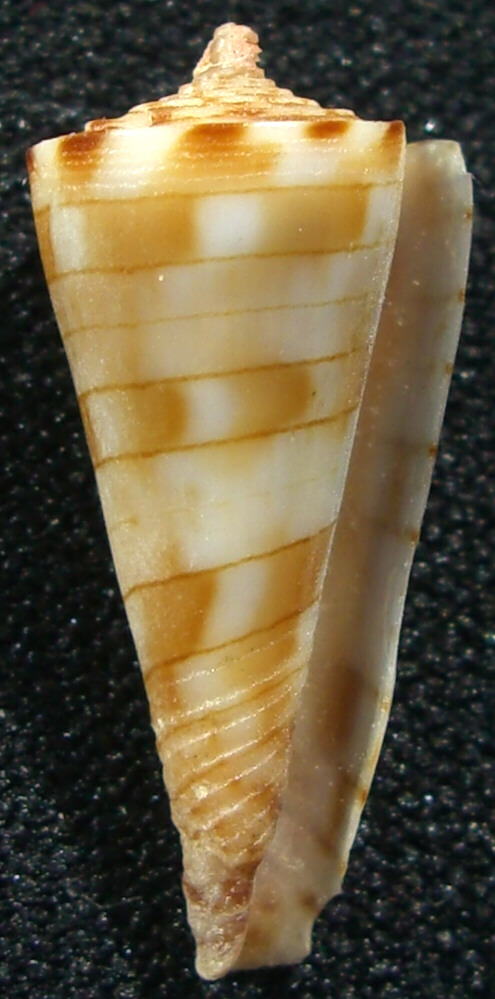
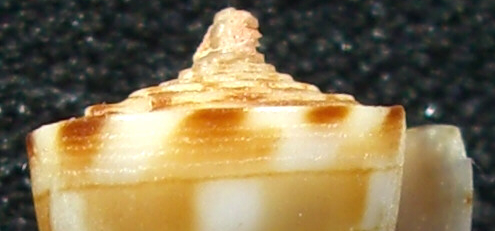
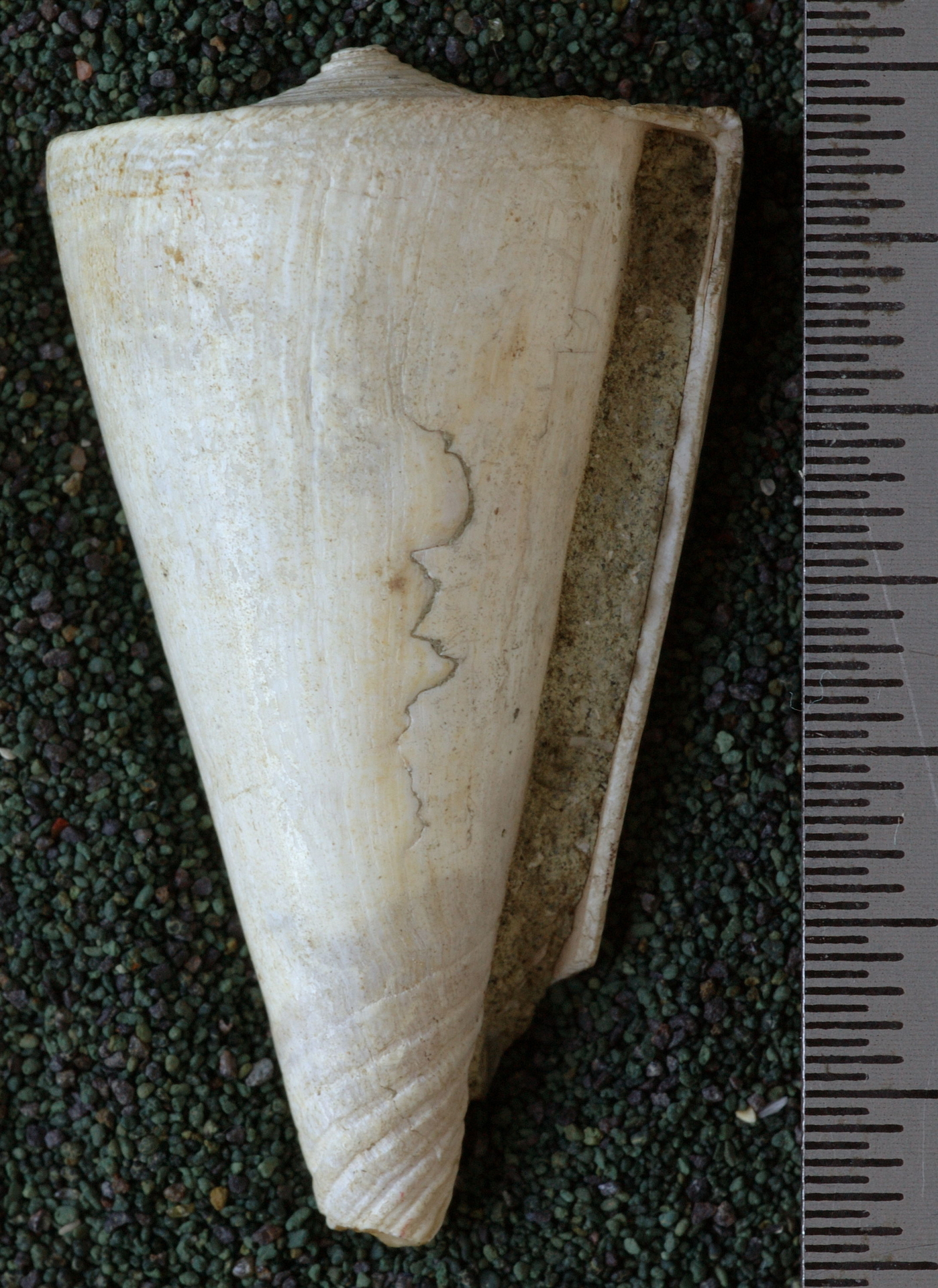
Shell small, thin, spire almost flat; protoconch of two convex glassy whorls, followed by five sculptured whorls, each with several spiral cords, the peripheral cord forming a narrow keel. Body whorl flat-sided with several fine spiral grooves immediately below the periphery and about ten larger grooves on the base; lines of growth are discernible over the entire shell. Regularly spaced reddish-brown dots are present on the spire and on the body whorl immediately below the periphery; body whorl with a series of narrow spiral brown lines, some of which mark the boundaries of three light-brown spiral bands (3).
Measurements of the figured specimen, USNM 175091; height 12.6 mm, diameter 5.8 mm. (3)
The fossil shells are smaller than the Holocene shells described from Japan. Dr. Alan Kohn, who has examined the shells here referred to C. kimioi, thinks that some of them, at least, may represent juvenile examples of Conus macarae, described long ago by Bernardi (1857, p. 56, pl. 2, fig. 2) (3).
Occurrence.—Thirteen specimens from station SM242 on Santo, New Hebrides; age, Pleistocene (3).
The species lives today in Japanese waters at depths of about 100 ms. Not previously reported as a fossil (3), but identical to Conus cheribonensis (Martin, 1895).

|
|
|
|
|
|
|
|
|
|
|
|
|
|
Bibliografia